Real cost of Shoreditch gardeners to tidy small gardens
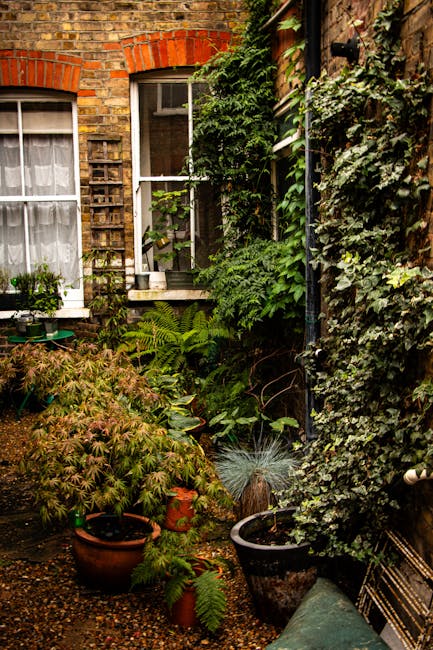
If you have a compact patio, a narrow rear yard, or a small town garden that's got a bit away from you, the question is usually not whether to book a gardener, but what the tidy-up should realistically cost. The real cost of Shoreditch gardeners to tidy small gardens depends on the state of the space, how much green waste needs removing, and whether you want a light refresh or a proper reset. In a place like Shoreditch, where access can be tight and many gardens are tucked behind houses or flats, the job often takes more care than people expect.
This guide breaks down what you are actually paying for, what makes prices rise or fall, and how to judge whether a quote is fair. It also covers practical ways to keep the job efficient, avoid surprises, and choose the right level of service for a small outdoor space that should feel easy to enjoy, not like another chore hanging over you.
Why the real cost matters
Small gardens can be deceptively awkward. A modest-sized space may still need a lot of hand work if it has overgrown borders, mossy paving, a hedge that wants attention, or a lawn that has not seen a mower in a while. That is why the true price is rarely just "small garden = small bill". To be fair, a tidy-looking garden can take less time than a neglected one, but even tiny spaces can become fiddly when access is limited or waste has to be carried through a house, a side return, or a shared hallway.
For Shoreditch homeowners, landlords, letting agents, and tenants, the cost also matters because the area is busy, urban, and often short on storage space. If you are comparing quotes, you want to know what is included: cutting back, sweeping, pruning, lawn mowing, leaf clearance, green waste removal, and the final clean-down. Otherwise, you can end up with a cheap price that looks good on paper but leaves half the work still sitting there. Nobody wants that awkward "we thought it was included" moment.
The most useful way to think about the cost is as a mix of labour, disposal, access, and urgency. That's the real picture. Not just square footage.
Expert summary: In a small Shoreditch garden, the lowest quote is not always the best value. The fairest price is the one that matches the actual effort, the waste produced, and the finish you want.
How the tidy-up process works
Most professional tidy-up jobs follow a simple pattern, though the exact service varies. A gardener will usually assess the garden first, confirm what needs doing, then work through the space in a sensible order so the finished result feels neat rather than half-brought-into-order. If you have ever tried doing it yourself on a damp Saturday morning, you will know how quickly the job gets bigger once the first bag is full.
In practical terms, a small-garden tidy usually includes some combination of the following:
- Clearing away leaves, twigs, and loose debris
- Cutting back untidy growth in beds and borders
- Light hedge trimming or shaping where needed
- Mowing or strimming a small lawn
- Weeding paths, edging, and patio corners
- Collecting green waste and bagging it for removal
- Brushing down hard surfaces so the space feels finished
The final cost often depends on how much of that list is needed. A quick tidy is not the same as a full garden clearance, and it should not be priced like one. If your space needs more than a surface clean-up, you may find it helpful to compare the job with broader services such as garden maintenance or, for much heavier work, garden clearance. Those services naturally sit at different ends of the effort scale.
Good gardeners will also factor in access. A narrow rear entry, shared bins, or difficult parking can add time. In Shoreditch, that is not unusual at all. It just needs to be priced honestly.
Key benefits and practical advantages
A tidy small garden can make daily life feel easier straight away. The difference is not just visual. It is also about use, safety, and a bit of peace of mind. A cluttered outside area often gets ignored because it feels like too much trouble, and then the problem quietly grows. A proper tidy-up breaks that cycle.
Here are the main advantages people notice:
- Instant visual improvement: small spaces look bigger when edges are neat and waste is gone.
- Lower long-term effort: regular tidying usually prevents bigger, more expensive jobs later.
- Better usability: patio seats, planters, and narrow walkways become usable again.
- Cleaner presentation: especially useful for rental inspections, property photos, or guest-ready homes.
- Safer surfaces: less moss, fewer slippery leaves, fewer trip hazards.
There is also a less obvious benefit: it can reset your relationship with the space. You stop seeing a problem and start seeing a small garden again. That sounds a bit grand, maybe, but it is true. Even a tiny yard can become somewhere you actually want to stand with a coffee on a grey London morning.
For many people, the main value comes from hiring the right level of help, not the most expensive one. A focused tidy-up can be enough. You do not always need a full redesign or hard landscaping unless the space truly needs it. If it does, the team may suggest broader work through landscaping or landscape gardening, but that is a separate decision.
Who this is for and when it makes sense
This kind of service is for anyone who wants a small garden tidied without turning it into a weekend project. In Shoreditch, that often includes busy professionals, landlords between tenancies, people preparing a flat for sale, or residents who simply do not have the time, tools, or energy to wrestle a neglected border back into shape.
It makes sense when:
- the garden is small but has built up weeds, leaves, and light overgrowth
- you need a one-off refresh before guests, an event, or a property viewing
- you want regular upkeep but not a full design or rebuild
- your hedge, lawn, or beds need attention but the job is not severe
- you are comparing tidy-up prices and want a realistic benchmark
It may also make sense if you have a deck or a paved area that has collected grime and stray plant growth. In that case, a gardener may suggest coordination with decking services if repairs or surface improvements are needed. Not every job needs that, of course. Sometimes it is just a case of cutting back, sweeping out the corners, and getting the place breathing again.
One thing to remember: a small garden can still be high-effort. If the planting is dense, the hedge is woody, or access is awkward, the price may feel a bit higher than expected. That does not necessarily mean overcharging. It may simply mean the quote reflects the true time on site.
Step-by-step guidance
If you want to understand the price properly, it helps to think through the job the same way a gardener does. Here is the practical process.
- List what you want done. Be specific. "Tidy the garden" is too vague. Say whether you need mowing, weeding, hedge trimming, leaf removal, pruning, or waste taken away.
- Check access. Note side entrances, stairways, shared passages, parking limitations, and whether waste bags need to pass through the property.
- Measure the space roughly. You do not need laser precision. A fair estimate of lawn size, border length, and number of bags of waste is enough.
- Decide on the finish level. Do you want "good enough for the weekend" or "presentation ready"? Those are different jobs.
- Ask what is included. Confirm labour, tools, waste removal, and whether the gardener will bring bags or leave them for your bins.
- Request a written quote or clear breakdown. This helps you compare like with like. Otherwise it is apples and pears.
- Book a suitable slot. If the garden is overgrown, a morning slot can help because there is more daylight and the job tends to flow better.
- Do a quick walkthrough afterwards. Check edges, corners, and waste removal before everyone leaves.
If you are unsure what level of service fits your garden, a sensible starting point is to review the broader services overview before asking for a quote. It makes the conversation much easier and, frankly, saves time for everyone.
A useful real-world tip: take a few photos from different angles before you enquire. A picture of the back corner, the hedge line, and the main access route tells a gardener more than a long paragraph ever will.
Expert tips for better results
The best-value tidy-ups usually come from clear expectations and good timing. That sounds obvious, but you would be surprised how many jobs become more expensive because nobody said where the waste should go or how close the trim should be. Small misunderstanding, bigger bill. It happens.
Here are the tips that genuinely help:
- Group the jobs together. If the gardener is already on site, it is often more efficient to trim hedges, mow the lawn, and do the weeding in one visit rather than spreading them across several separate calls.
- Clear personal items first. Move chairs, toys, plant pots, and bikes if you can. It saves time and reduces the risk of accidental damage.
- Be realistic about overgrowth. A tidy-up is not always the same as a pruning job. If branches are thick or trees are involved, the work may fall closer to tree lopping and removal than a basic garden clean.
- Ask about recurring maintenance. A one-off tidy might be enough now, but regular lighter visits can often be easier on both the garden and the budget.
- Think about waste early. Green waste can be the hidden cost in small gardens because there is often nowhere to store it. Disposal matters.
And here is a simple, human bit of advice: if the space has got a little wild, do not feel embarrassed. Gardeners see it all. A lot. Morning after morning, they are clearing out corners where leaves have settled like they own the place. It is their job, not your confession booth.
If you want a tidier result that lasts, combine a one-off clean-up with a maintenance plan. Small, regular jobs tend to be cheaper over time than repeated big resets. That is usually the sweet spot.
Common mistakes to avoid
Most budget surprises come from a handful of predictable mistakes. None of them are dramatic, but they do add up.
- Getting a quote from a vague description. "Small garden tidy" can mean very different things to different people.
- Forgetting waste removal. A quote may cover labour only, with disposal charged separately.
- Assuming access will not matter. Carrying cuttings through a narrow flat or shared corridor takes time.
- Ignoring what the garden actually needs. Some gardens need maintenance, others need clearance. They are not the same job.
- Not checking the finish standard. A light sweep and cutback is not the same as a full tidy with all edges crisp.
- Booking the cheapest quote without asking questions. Cheap can be fine. Cheap and unclear, less so.
One more thing: avoid asking for a "quick job" if the space is genuinely overgrown. It can make the price conversation awkward and the outcome disappointing. Honest descriptions work better. They always do.
Tools, resources and recommendations
You do not need to buy a shed full of kit to understand or prepare for a tidy-up, but knowing the basics helps you judge the quote and the scope. Common tools for a small-garden tidy include hand shears, hedge trimmers, lawn mowers, edging tools, rakes, pruning saws, and waste bags or tubs. For the customer, the most useful "resource" is simply a clear brief.
If you are comparing services, these pages can help you think about the work more accurately:
- lawn mowing for compact lawns and awkward corners
- hedge trimming for neat, controlled edges
- regular garden maintenance for ongoing upkeep
- recycling and sustainability information for green waste awareness
That last point is easy to overlook. Green waste does not vanish by magic, and any responsible gardener needs a practical plan for disposal or recycling. If a quote seems unusually low, ask yourself where the clippings are going. If you can't see that part of the picture, the quote is not really complete.
For pricing itself, the most useful internal reference is the company's own pricing and quotes page. A clear quote process usually tells you a lot about how transparent the service will be once work starts.
Law, compliance and best practice
For a small garden tidy, the main compliance issues are usually practical rather than legal drama. Still, good practice matters. Gardeners should work safely, use equipment properly, and handle waste responsibly. If machinery is involved, or if the garden has awkward access, safety should never be treated casually.
From a customer's point of view, it is sensible to check that the business has sensible insurance arrangements and clear safety practices. That matters more than people think, especially where ladders, blades, uneven ground, or awkward stairs are involved. If you want to understand that side of things, the pages on insurance and safety and the health and safety policy are the right places to look.
Best practice also includes being clear about waste, respecting neighbours in shared buildings, and avoiding damage to planted areas, fencing, or hard landscaping. In London, where space is tight and people live close together, that courtesy counts. A tidy-up should leave the garden looking better, yes, but also leave the rest of the property undisturbed.
If you are comparing providers, a little trust-building goes a long way. A professional business will usually be transparent about its approach, whether that is explained in an about us page or in the quote conversation itself. And if something does go wrong, a clear complaints procedure is a reassuring sign that the company takes service seriously.
Options, methods, or comparison table
Not every small garden needs the same type of tidy-up. Here is a simple comparison to help you match the job to the likely cost and effort. The ranges are deliberately broad because the final price depends on access, waste, and condition rather than size alone.
| Option | Best for | Typical effort | What affects the price most |
|---|---|---|---|
| Light tidy-up | Recently maintained small gardens | Low | Time on site, minor weeding, small waste volume |
| Standard tidy and refresh | Small gardens with visible weeds, leaves, and untidy growth | Moderate | Cutting back, mowing, edging, disposal of clippings |
| Heavier reset | Neglected spaces that still do not need a full clearance | Higher | Overgrowth, access, number of waste bags, hedge work |
| Clearance-style job | Very overgrown or cluttered gardens | Highest | Volume of waste, labour, and the need for more equipment |
The practical takeaway is simple: the tidy-up category matters more than the garden's postcode alone. Shoreditch access can influence pricing, yes, but the condition of the space usually drives the quote first.
If you only need the basics, do not pay for a heavy reset. If the garden has slipped far enough that it needs a real clear-down, be honest about it from the start. That honesty saves everyone time and probably saves you money too.
Case study or real-world example
Picture a small rear garden behind a Shoreditch townhouse. It is not huge. Maybe a compact patch of lawn, a narrow border, a few pots, and a hedge line that has grown softer and wider than anyone intended. The owner has been busy for months. Rain comes, leaves build up, and suddenly the whole space feels dim and cramped.
A sensible tidy-up in that situation might include cutting back the hedge, mowing or strimming the lawn, weeding the paving, and removing two or three bags of green waste. If the access is straightforward, that could be a fairly contained job. If the gardener has to carry waste through the property or deal with a shared entrance, the time goes up. Not wildly, but enough to matter.
Now imagine the same garden after a long wet spell, with moss on the path and the hedge throwing out thicker shoots. The tidy-up becomes more detailed. The real cost rises because the work is no longer just cosmetic. It is part restoration, part clean-up, and part waste management.
That is the core lesson. Two gardens that look similar from the back door can cost very differently once the work starts. The visible size is only half the story. The rest is effort.
Practical checklist
Before you book, run through this quick checklist. It keeps the conversation clear and the quote more reliable.
- Describe exactly what needs tidying
- Note whether there is a lawn, hedge, beds, or hard landscaping
- Estimate how much green waste may come out of the job
- Check access for tools and waste bags
- Decide whether you want a one-off tidy or ongoing maintenance
- Ask whether waste removal is included
- Confirm the expected finish level
- Ask how the team handles safety and insurance
- Request a clear quote before work starts
- Take a couple of photos if the garden is hard to describe
That is usually enough to stop the conversation drifting into guesswork. And guesswork is where quotes go sideways.
Get a free quote today and see how much you can save.
Conclusion
The real cost of Shoreditch gardeners to tidy small gardens comes down to more than lawn size or a rough hourly rate. It is about access, waste, the level of overgrowth, and the finish you want at the end. A compact garden can be quick and affordable, but it can also be surprisingly involved if it has been left alone for a while.
When you ask better questions, you get better quotes. That is the trick, really. Be clear about the work, compare like for like, and look for a service that treats small spaces with the same care it would give a larger one. A tidy garden is not just nicer to look at; it's easier to live with, easier to enjoy, and a lot less nagging in the back of your mind.
And once it is done, that little patch of outdoor space can feel like a proper part of the home again. A good feeling. Simple, but genuine.
Frequently Asked Questions
How much do Shoreditch gardeners usually charge to tidy a small garden?
The price usually depends on the condition of the garden, how much waste is produced, and whether access is easy or awkward. A lightly untidy small garden will normally cost less than a neglected one that needs more labour and disposal time.
What does a small garden tidy-up normally include?
It often includes leaf clearing, weeding, mowing or strimming, hedge trimming, light pruning, sweeping paths, and taking away green waste. The exact list should be confirmed before work starts, because "tidy-up" can mean different things.
Why do small gardens in Shoreditch sometimes cost more than expected?
Because small does not always mean simple. Tight access, shared entrances, heavy waste, and detailed hand work can all increase the time on site. In urban properties, disposal can also be a bigger part of the job than people expect.
Is a one-off tidy cheaper than regular garden maintenance?
Usually yes, in the short term. But regular maintenance can be better value over time because the garden never gets badly overgrown. That means less labour later and a steadier, more manageable cost pattern.
Should I choose garden maintenance or garden clearance?
If the space just needs routine care or a seasonal refresh, maintenance is often enough. If the garden has become heavily overgrown or cluttered, a clearance-style job may be more suitable. The difference is mostly in the level of labour and waste removal.
Do gardeners remove the waste after tidying a small garden?
Sometimes yes, sometimes not automatically. You should always ask whether green waste disposal is included in the quote. It is one of the most common reasons a cheap-looking price ends up feeling less useful.
How can I keep the cost down without cutting quality?
Give a clear brief, clear away personal items, improve access where possible, and combine multiple small tasks into one visit. Good preparation saves time, and time is usually what you are paying for.
Do I need hedge trimming if the hedge is only slightly untidy?
If the hedge just needs a light shape-up, that may be a small part of the job. But if it has thickened or spread, it can become a more specific hedge trimming task. Asking for a separate line in the quote helps avoid confusion.
Is it worth asking for photos before getting a quote?
Yes, absolutely. Photos give the gardener a much clearer sense of the garden's condition, access, and waste volume. For small urban gardens, that often leads to a more accurate quote first time.
What should I check before accepting a quote?
Check what is included, whether waste removal is covered, how access affects the price, and whether the quote is for labour only or for a full tidy. It also helps to check that the company has sensible safety and insurance arrangements.
Can a tidy-up also improve the look of decking or paved areas?
Yes. Clearing leaves, cutting back growth, and sweeping down surfaces can make decking and paving feel much fresher. If the surface itself needs repair or more detailed work, that may be a separate service rather than part of a basic garden tidy.
How often should a small Shoreditch garden be tidied?
That depends on how quickly the garden grows and how much you use it. Many people find that a light seasonal tidy plus occasional maintenance keeps the cost manageable and prevents the space from getting away from them.