Hedge Trimming in Shoreditch for Neat Boundaries and Managed Growth

Hedge trimming in Shoreditch calls for tidy, controlled cutting that keeps planting attractive without stripping it back too hard. We focus on shaping hedges so they stay even, healthy-looking and suitable for the space they border, whether that means a front garden line, a privacy screen or a boundary beside paving. The main service is straightforward: measured trimming that improves appearance, maintains form and helps keep growth within the limits of the site.
Our approach suits hedges that need routine maintenance as well as those that have started to lose definition. Rather than treating every plant the same, trimming is adjusted to the hedge type, the season, the existing shape and the finish you want. That can include light tidying to sharpen edges, selective reduction to restore balance, or more detailed work where a hedge has become uneven or too wide for the available space.
For a clearer idea of the work involved, it helps to consider the hedge itself, the access around it and the final line you want to keep. If you are planning a one-off tidy-up or a regular maintenance visit, you can request a quotation once you have a sense of the size and style of the hedge.
Hedge shaping and routine maintenance
Routine hedge maintenance is usually about consistency. A hedge that is trimmed with a steady hand tends to hold its outline better, give a cleaner finish and avoid the patchy look that can appear when growth is left too long between cuts. We can trim formal hedges to crisp edges or maintain softer shapes where the planting benefits from a less rigid appearance. The work is planned so the hedge still looks natural while remaining under control.
Some hedges need attention because they have grown beyond their intended footprint, while others simply need periodic light work to stay in line. In both cases, trimming should leave the hedge balanced rather than forcing it into an unsuitable shape. The aim is to preserve density where it matters, remove stray growth and present a finish that fits the property. If you are comparing service options, our services overview gives a simple starting point for the wider work we cover.
Why hedge cutting needs the right finish

Good hedge trimming is more than cutting back whatever is longest. The right finish depends on whether the hedge is decorative, screening, boundary-setting or simply part of general garden upkeep. A neat top line can make a garden feel more orderly, while clean side faces help the hedge stay compact and reduce the sense of encroachment. Careful trimming also avoids leaving the outer growth ragged, which can happen if tools or technique are rushed.
Where a hedge includes thicker woody sections, older growth or awkward corners, the cut needs to be selected with care. Heavy reduction can change the look of the hedge for a long period, so it is sensible to treat the job as a managed maintenance task rather than a blunt cut-down. If the hedge is part of a larger tidy-up, our garden maintenance page sets out the broader upkeep work that may be combined with trimming.
Managing access, boundaries and finishing details
Access affects how the work is carried out, especially where hedges sit close to walls, fences, paving or neighbouring property lines. A careful trimming plan keeps the cut controlled and helps avoid unnecessary disturbance to nearby planting or hard surfaces. Finishing details matter too: edges, corners and changes in height should be checked so the hedge does not look lopsided once the main cutting is complete.
Useful preparation is usually simple. It helps to know which hedge or hedges need attention, whether there are any awkward sections to reach, and whether you want a strict line or a softer finish. Clear guidance on the desired height or width makes the trimming more straightforward, especially on hedges that already vary in shape. For related garden work, our hedge trimming page offers the direct service route for this type of maintenance.
Before asking for a quotation, it is useful to think about the hedge length, approximate height, access from the garden or frontage, and whether waste removal is likely to be needed. Short notes are often enough to start the conversation, and they help the work be priced against the real scope rather than a vague description.
Hedge sizes, plant types and the right cutting approach

Different hedge types respond differently to trimming. Some recover well from frequent light cutting, while others prefer a gentler approach that keeps the outer growth neat without exposing too much old wood. Formal evergreen hedges often benefit from crisp, repeated shaping, whereas mixed or less rigid hedges may need a more measured finish. The cut should reflect the character of the planting instead of trying to impose one standard shape on every border.
If a hedge has grown unevenly, trimming may involve evening out the top, rebalancing one side or easing back a section that has become dominant. In practical terms, this is about restoring proportion and helping the hedge sit better within the space. Where a property includes several different outdoor areas, it may be helpful to combine hedge work with broader landscaping considerations. Our landscaping page explains the wider garden improvement services available.
When hedge trimming is part of broader garden care
Hedge trimming often sits alongside other outdoor maintenance, especially when the boundary planting forms part of a larger garden layout. A hedge can frame lawn edges, define seating areas or separate planting zones, so its appearance affects the whole space. Keeping it tidy can support a more coherent overall look, but the trimming itself should still be judged on the hedge’s own growth pattern and not just on the surrounding garden.
Where several tasks need attention, it is worth separating what must be cut from what simply needs general upkeep. That distinction keeps the work focused and can prevent unnecessary disturbance to healthier sections of growth. If your garden needs a fuller tidy-up around the hedge line, the garden clearance page is useful for understanding how heavier waste and overgrowth removal differs from routine trimming.
Choosing between light tidying and more involved reduction

Light tidying is usually the right choice when the hedge is already in good condition and simply needs a sharpened outline. More involved reduction is suited to hedges that have widened, grown tall or started to obscure paths and boundaries. The key difference is not just how much is removed, but how the hedge will look afterwards and how well it can maintain that shape over time. A cautious approach often protects the hedge while still bringing it back into line.
For properties where the hedge forms part of a built edge or defined garden layout, the finish has to work visually as well as practically. A good cut should sit comfortably alongside paving, decking, fences or other garden features rather than drawing attention for the wrong reasons. If your outdoor area includes timber structures that need to stay clear of overgrowth, our decking-services page may be helpful alongside trimming plans.
When you enquire, a few practical details usually help most: the hedge location, the approximate size, whether you want a tidy or a reduction, and any access restrictions. This keeps the quotation discussion grounded in the actual job rather than assumptions.
About Shoreditch
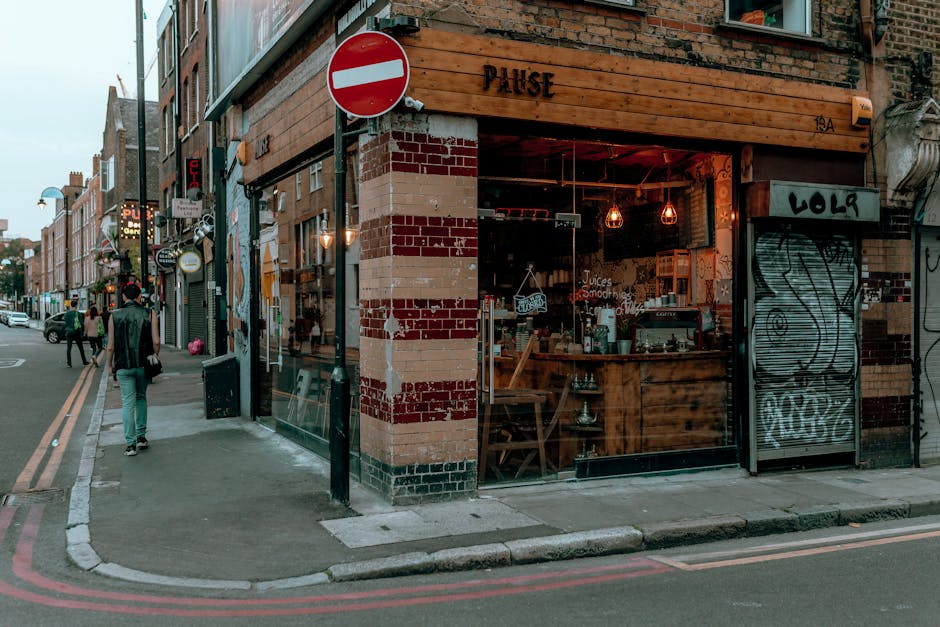
Shoreditch is an inner district in the East End of London, best known for its mix of historic streets, creative industries and busy contemporary commercial life. It sits within the London Borough of Hackney, though parts of the area close to Old Street, Hoxton and the boundary with the City of London are often discussed together because the urban fabric changes gradually rather than by a hard edge. The district developed from a medieval settlement and later became associated with theatre, craft and trade before major 19th-century industrial expansion altered its character again. In the 20th century, warehouse buildings, railway infrastructure and commercial premises shaped much of the landscape, and many of those structures remain visible in adapted form today. Shoreditch High Street, Curtain Road, Redchurch Street and nearby lanes illustrate that blend of older street patterns and newer uses, with converted industrial buildings standing beside modern workplaces, food venues and independent retail spaces. The area also has a strong connection with street art and design culture, which adds a changing visual layer to the built environment. Shoreditch Park lies a little to the north-west in the broader district context, while Arnold Circus and the Boundary Estate are among the most recognisable historical and architectural features nearby. The area’s identity is therefore not just commercial or artistic; it is also shaped by housing history, transport links, and the survival of irregular street alignments from earlier centuries. This combination of old and new gives Shoreditch a dense urban character that remains distinctive within east London.
Waste handling and responsible finishing
Once trimming is complete, the cuttings need to be gathered and dealt with in a practical way. For many hedge jobs, the volume of clippings depends on how hard the hedge has been cut and how dense the growth is. Responsible finishing means the site is left in a clean state, with loose material removed from paths, borders and nearby surfaces. This final stage matters because a neat cut can still leave the area looking unfinished if the debris is not handled properly.
Where there is a significant amount of green waste, it may be appropriate to combine the work with other clearance or maintenance tasks rather than treating each job separately. That can be especially useful if the hedge borders a neglected section of garden or if the surrounding area already needs attention. For a broader view of outdoor upkeep and presentation, our landscape-gardening page covers related improvements that can sit alongside hedge work.
What affects the quotation
Quotations for hedge trimming are usually shaped by a small number of practical factors. The length and height of the hedge influence the amount of cutting involved, while access and waste volume affect the time and effort required to complete the job properly. A straightforward hedge with open access will generally be simpler to assess than one with awkward corners, restricted reach or several different growth levels. The objective is to give a fair price based on what the work actually requires.
It also helps to distinguish routine trimming from work that needs more careful reshaping. A hedge that has been left for a long period may need more time to restore proportion, especially if some sections are thicker or have grown beyond the line of the rest. If you are ready to compare options or plan the next step, the pricing and quotes page is the place to start for a quotation request.
For a neat boundary, a balanced shape and a hedge that fits the garden better, ask for a quotation today. If you already know the hedge you want trimmed, a brief description is enough to begin.